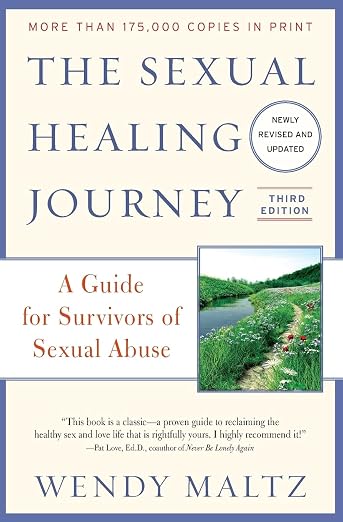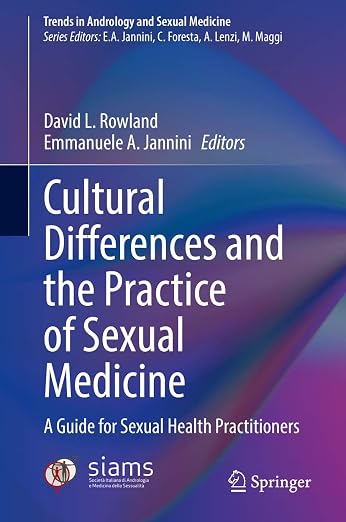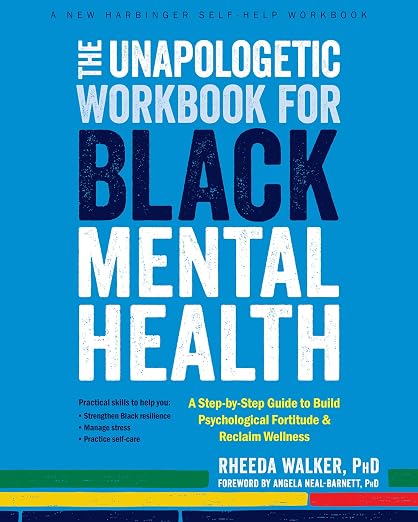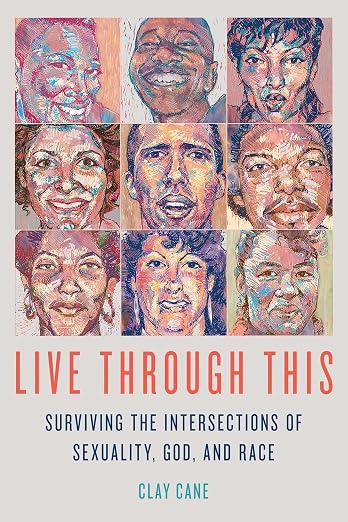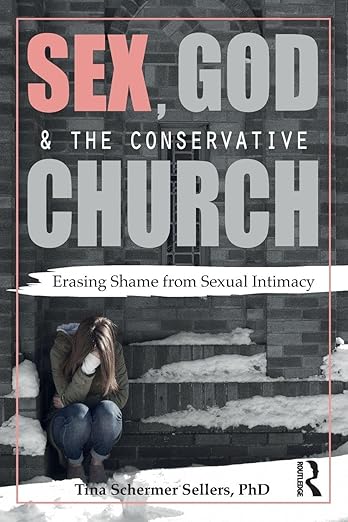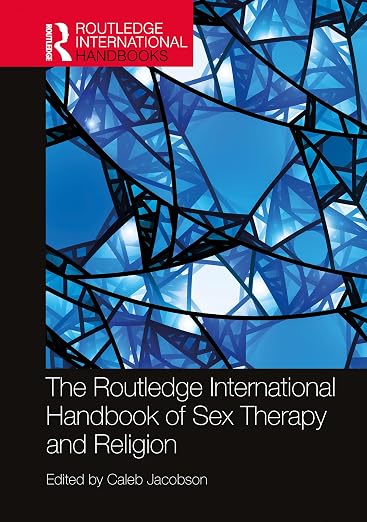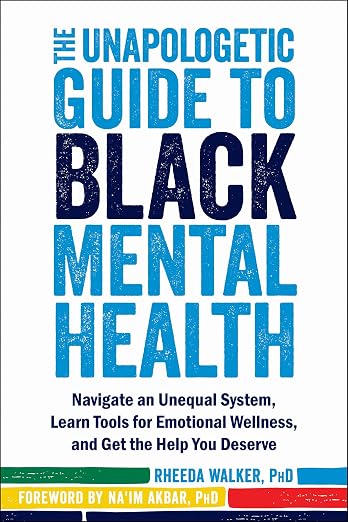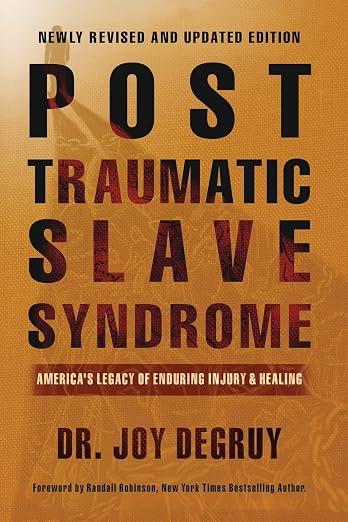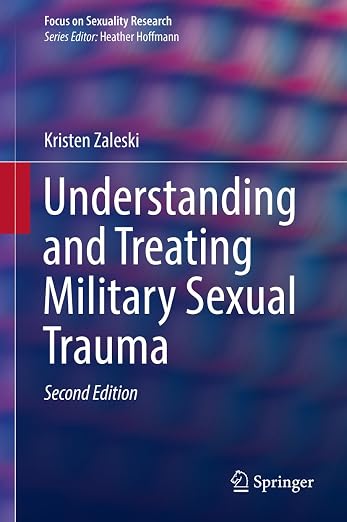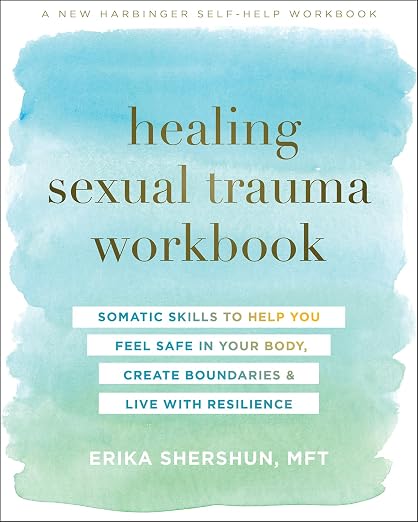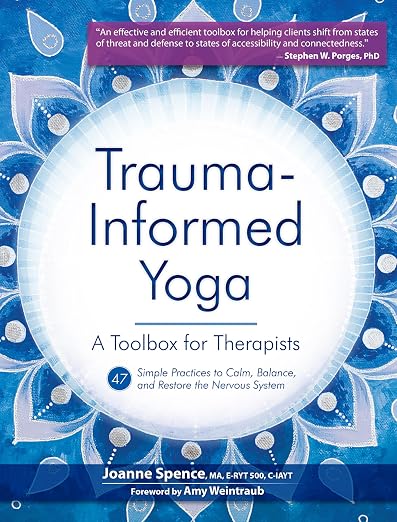
Psychological, Spiritual & Cultural Considerations
A centralized hub of research-informed, trauma-informed, and culturally responsive resources designed to support sex therapists, supervisors, and supervisees, and client recommendations in their clinical practice, including topics such as trauma & abuse, cultural themes, spirituality, religious considerations, or OOCSB.
Resource Types Include
Reading & Research
Books, Manuals, Scholarly Articles
Tools
Games, Card Decks, Workbooks, Brochures
Multimedia
Apps, Websites, Podcasts
Audience
Provider, Supervisor, Supervisee, Client
Press Ctrl+F (Windows) or Command+F (Mac) to search this page by keyword for resources.

Current Research in the Field
Search by keywords such as trauma & abuse, cultural themes, spirituality, religious considerations, or OOCSB to locate relevant resources.
Cultural Competency in Sex Therapy
“You say you're inclusive, but can you show us?”
Description
Clinical research on the importance of cultural competence when working with sexual minorities in a mental health setting
Reading & research
Books, Manuals, Scholarly Articles
Tools
Workbooks, Brochures
Audience
Provider, Supervisor, Supervisee
Psychosexuality and Spiritual Integration
Are sex therapy and God, strange bedfellows? Case studies illuminating the intersection of client sexuality with spirituality, religion, faith or belief practices
Description
Research on people seeking a sex therapist bring their spirituality, religion, faith, or belief practices to therapy.
Multimedia
Websites, Podcasts
Audience
Client, Provider, Supervisee
Jump to:
Sex Therapy, Cultural & Spiritual Training Resources
Couples and Sex Therapy Certification
Modern Sex Therapy Institutes

Description
Couples and Sex Therapy (CCST) is a one of a kind training program that will give therapists the tools and skills they need to treat couples with a range of presenting issues.
Audience: Provider, Supervisor, Supervisee
RESOURCE: Multimedia, Tools, Reading & Research
4-D Network
Healing Body, Mind, Heart, & Spirit

Description
We are a network of licensed therapists, psychologists, sex therapists, counselors, educators, coaches, and other healers who utilize the engaging and innovative 4-Dimensional Wheel of Sexual Experience as an interactive map to guide their clients in exploring the physical, mental, emotional, and spiritual aspects of their relationships and lives.
Audience: Provider, Supervisor, Supervisee
RESOURCE: Multimedia, Tools, Reading & Research
AASECT
American Association of Sexuality Educators, Counselors and Therapists

Description
A Global Pathway to Professional Competence in Psychosexual Therapy
The Certificate in Sex Therapy Program is a 150-hour comprehensive educational experience designed to prepare clinicians, educators, and allied professionals for ethical, inclusive, and evidence-based psychosexual therapy practice.
Audience: Provider, Supervisor, Supervisee
RESOURCE: Multimedia
Research Insights: Psychological & Cultural Intersections

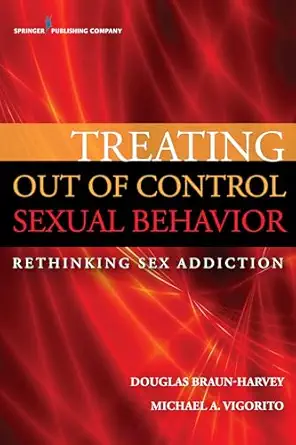
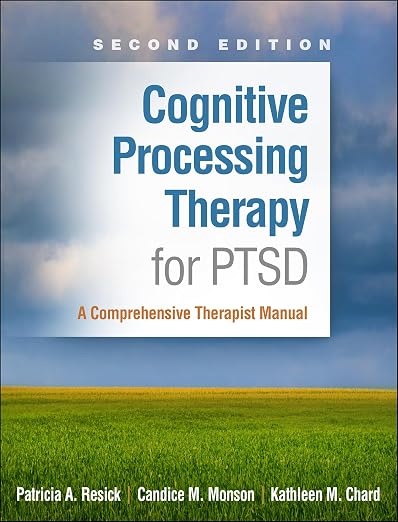
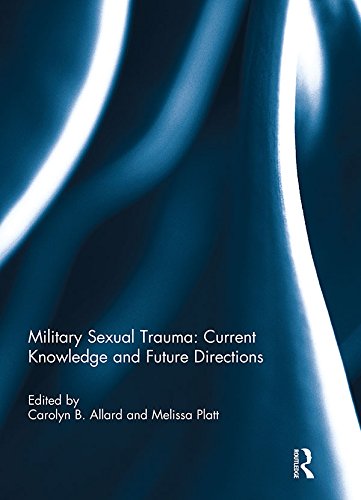
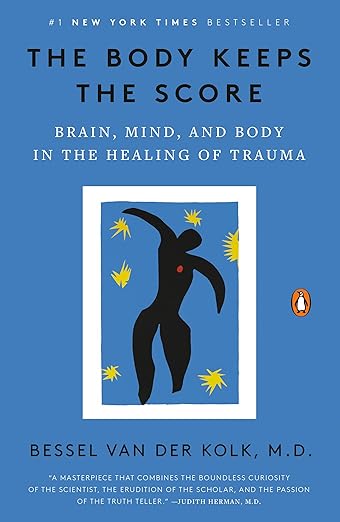
This theme will share resources that respond to the need for psychological and emotional, spiritual, and cultural themes, including abuse and trauma, post-traumatic stress disorder, sexual abuse, rape survivors, sexual assault in adults and children, systematic abuse, religious considerations, and out-of-control sexual behavior. According to Hall & Binik (2020), mental health conditions such as anxiety, depression, trauma, and body-image concerns may contribute to sexual well-being and sexual intimacy.
Psychological and emotional well-being play a part in sex therapy themes as being connected to a person's mental and emotional health (Brotto et al., 2025). Sexual concerns that surface can include desire discrepancies, performance anxiety, intimacy struggles, and disappointment in their sex life (Althof, 2016). Exploring the influence of these sexual experiences could originate from trauma and psychological conditions (McCarthy & Farr, 2011). Creating a safe space and understanding, while providing appropriate resources, helps clients explore their belief systems and emotions that may influence their sexual well-being.
Psychological and emotional considerations, such as worries around a failed sexual experience, body image, and concerns about pleasing a partner, can interfere with sexual functioning and pleasure (Psychological Causes of Sexual Dysfunction, n.d.).
In therapy, individuals can learn how to recognize irrational thought patterns, reduce anxious thoughts, and develop healthy thought patterns towards sexuality while building self-esteem and confidence (Luong et al., 2020).

Emotional considerations are important to sexual intimacy. Being able to trust, exploring attachment, emotional closeness, and vulnerability can lead to great sexual satisfaction (Péloquin et al., 2024). Unresolved conflict, resentment, and poor communication can cause difficulties between partners. Sex therapy can improve connection and communication skills, encouraging relationships to express their desires and worries effectively (Rancourt et al., 2022).
In addition, past traumas and experiences can influence sexual well-being. Emotional wounds can carry over in those who have experienced abuse, and traumatic events can influence their ability to participate in meaningful sexual experiences. Healing and support in sex therapy can contribute toward improving relationship satisfaction.
Spiritual and cultural thoughts can shape a sexual attitude towards experiences. Understanding how spirituality and sexuality are connected to individuals' ideas of intimacy, values, and self-expression plays an important role. Creating a safe spot to explore these paths in a respectful way during sex therapy helps clients integrate their spiritual ideas to feel more authentic (Keshavarz et al., 2022).
Cultural and religious belief systems mold how clients encounter and approach sexuality. Various considerations can differ across faith traditions and cultures, including relationship roles, modesty, and sexual behavior. At times, these beliefs can influence comfort, expectations, and communication in relationships. It is important for sex therapists to understand how cultural and religious backgrounds impact sexual identity and autonomy. Honoring diverse belief systems in sex therapy can help clients understand their personal values in a sexual way that leads to psychological and relationship fulfillment (Keshavarz et al., 2022).
Professional Resources
Explore our peer-reviewed professional resource library. A collection of protocols, worksheets, and scholarly materials for clinicial excellence.