
Psychoeducation & Skill Building
This module focuses on the integration of behavioral and cognitive pedagogical frameworks within clinical sex therapy. By utilizing structured models such as PLISSIT and Sensate Focus, practitioners can effectively bridge theoretical knowledge with practical skill development for their clients.
Resource Types Include
Reading & Research
Books, Manuals, Scholarly Articles
Tools
Games, Card Decks, Workbooks, Brochures
Multimedia
Apps, Websites, Podcasts
Audience
Provider, Supervisor, Supervisee, Client
Press Ctrl+F (Windows) or Command+F (Mac) to search this page by keyword for resources.
Jump to:
|
|
Gallery
Sex Therapy & Couples Training Resources
Couples and Sex Therapy Certification
Modern Sex Therapy Institutes

Description
Couples and Sex Therapy (CCST) is a one of a kind training program that will give therapists the tools and skills they need to treat couples with a range of presenting issues.
Audience: Provider, Supervisor, Supervisee
RESOURCE: Multimedia, Tools, Reading & Research
Gottman Method Couples Therapy
Gottman Institute

Description
Gottman Method is an approach to couples therapy that includes a thorough check up of the couple’s relationship, and integrates research-based interventions based on the Sound Relationship House Theory. The goals of Gottman Method Couples Therapy are to disarm conflicting verbal communication, increase intimacy, respect, and affection, remove barriers that create a feeling of stagnancy, and create a heightened sense of empathy and understanding within the context of the relationship.
Audience: Provider, Supervisor, Supervisee
RESOURCE: Multimedia, Tools, Reading & Research
Scholarly Insights
PLISSIT Framework
A comprehensive training module on the PLISSIT model for educators, covering permission-giving and intensive therapy boundaries.
Editable Informational Brochures


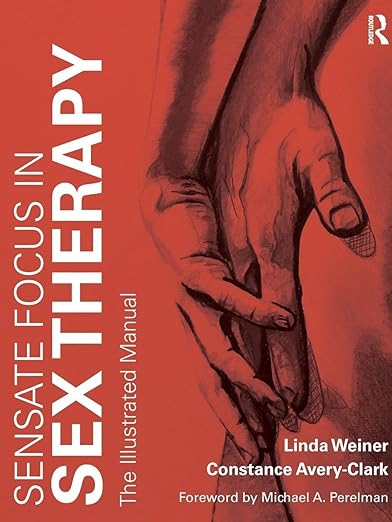
Sensate Focus Brochure
A concise, client-friendly overview of Sensate Focus that explains the purpose of the exercises, what to expect in each step, and how partners can move at a pace that feels safe and collaborative.
Description: Informational brochure about Sensate Focus Techniques
Reading & research: Manuals, Books
Tools: Workbooks, Brochures
Audience: Provider, Supervisor, Supervisee, Client

Emotionally Focused Therapy (EFT) Brochure
A clear, accessible overview of Emotionally Focused Therapy (EFT) that outlines the model, common patterns of disconnection, and how EFT helps partners rebuild secure, responsive bonds.
Description: A practical, therapist-facing brochure that introduces Emotionally Focused Therapy, outlines the core stages of change, and offers language you can use to explain EFT to couples in session.
Tools: Manuals, Workbooks
Audience: Provider, Supervisor, Supervisee, Client
Research Insights: Psychoeducation & Skill Building

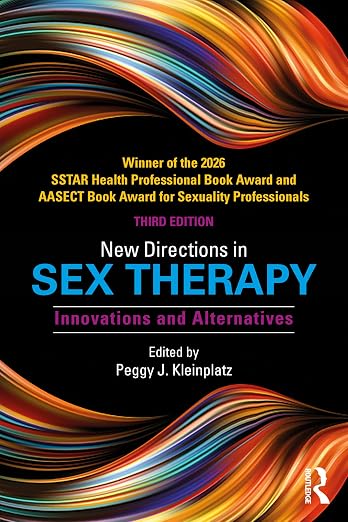
When it comes to the psychoeducation and skill-building theme in sex therapy, it promotes practical tools and builds understanding of improving sexuality and relational wellness. This area is significant because it involves training and educating sex therapists, educators, supervisors, supervisees, and clients. Many modalities are used and can be integrated into sex therapy sessions, such as interviewing styles and types of therapeutic processing, including permission-limited, information-specific suggestions, intensive therapy (PLISSIT) model, solutions-focused based therapy (SFBT), motivational interviewing (MI), cognitive behavioral therapy (CBT), dialectical behavioral therapy (DBT), sensate focus therapy, relationship and couples techniques and methods (Tung, 2018). Education and building practical skills increase effective therapeutic outcomes in sex therapy (Nurse et al., 2024). Learning how to set goals, challenge unwanted patterns of thought, distress tolerance and emotional regulation, and mindfulness skills can help promote healthier behavioral patterns in sex therapy (Rashedi et al.).
Core clinical techniques that go along with sex therapy psychoeducation include sensate focus, which teaches structured therapeutic interventions to enhance relaxing sensations to reduce performance anxiety (Grey, 2026). Guiding clients through a sensory experience of gradual stages of implementing touch-centered techniques that encourage comfort and curiosity instead of focusing on an orgasm (Weiner, 2022). The use of homework assignments, tantric exercises, and practicing mindfulness helps further pleasure and intimacy in embodied ways. These exercises can be used outside of sessions to promote experiential support (Gordon, n.d.).

Another part of sex therapy within the realms of psychoeducation includes teaching critical clinical skills such as suicide prevention and risk management (Vesco et al., 2024). At times, patients present with mental health concerns that sex therapists will need to be prepared for in order to recognize particular warning signs and conduct an assessment to intervene when needed. (Briken et al., 2024). Taking into consideration other mental health concerns helps with health understanding, safety planning, and when a referral may be necessary for maintaining the client's overall well-being (Costa et al., 2023). Recognizing symptoms of depression, anxiety, trauma, and relational distress is essential to the comprehensive health of the patient (Wingfield, 2026). When using structured models, such as the PLISSIT model, it provides a psychoeducation framework to respond to patients' needs (Tuncer & Oskay, 2022).
Going further into sex therapy practice, therapists develop skills and knowledge that extend into business management in private or community mental health practices. Practical professional skills include establishing business policies, managing a sustainable schedule, documenting procedures, and maintaining confidentiality while building a financially stable practice are important. Understanding how to market and outreach in a responsible way while supporting integrity within the field of sex therapy. It is important to know how to research and implement evidence-based methods into a practice as well (Therapy Private Practice Operations Plan, 2026).
Finally, professional networking and collaboration are important to the referral processes. Networking with medical providers such as gynecologists, urologists, pelvic floor specialists, endocrinologists, psychologists, psychiatrists, psychotherapy peers, sex coaches, educators, and primary physicians to enhance collaboration. Together, professionals work to provide a grounded approach to sex therapy that integrates psychoeducation and clinical development (Zeglin et al., 2021).
Informational- Quick Guides

Self-Soothing Techniques
A quick guide to calming the nervous system. This brochure introduces simple, evidence-informed self-soothing skills that clients can use between sessions—like grounding, paced breathing, and sensory-based strategies—to reduce overwhelm, reconnect with their bodies, and return to a window of tolerance during moments of distress.
Description: A quick guide to calming the nervous system.
Tools: Digital Handout
Audience: Provider, Supervisor


Tantric Inspired Intimacy
Quick Reference Guide for Mindful Connection & Couples Therapy
Description: A gentle, skills-based guide that introduces tantric-inspired practices to help partners slow down, deepen presence, and cultivate mindful, pleasure-focused intimacy in ways that honor consent, boundaries, and nervous system safety.
Tools: Digital Handout
Audience: Client, Provider

Cognitive Behavioral (CBT) & Sex Therapy
Informational Quick Guide
for CBT & ST
Description: Advanced training materials that integrate cognitive behavioral therapy (CBT) with sex therapy, focusing on how thoughts, emotions, and behaviors shape sexual concerns—and how structured, skills-based interventions can support lasting change.
Tools: Digital Handout
Audience: Supervisor, Supervisee
Professional Resources
Explore our peer-reviewed professional resource library. A collection of protocols, worksheets, and scholarly materials for clinicial excellence.











Print/Downloads


Pelvic Floor Health
A Woman’s Touch Sexuality Resource Center
Description: Informational Brochure
Resource: Tool
Audience: Provider, Supervisor, Supervisee, Client
Websites & Media































Pelvic Floor Health
A Woman’s Touch Sexuality Resource Center
Description: Informational Brochure
Resource: Tool
Audience: Provider, Supervisor, Supervisee, Client