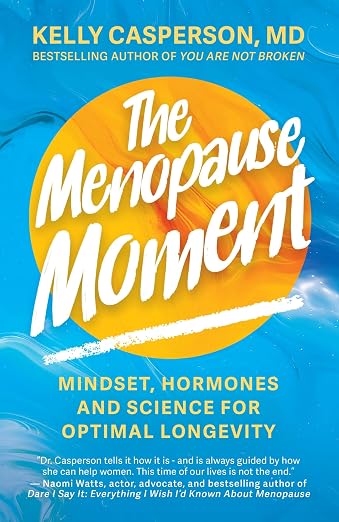
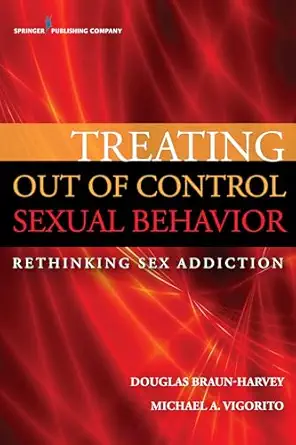
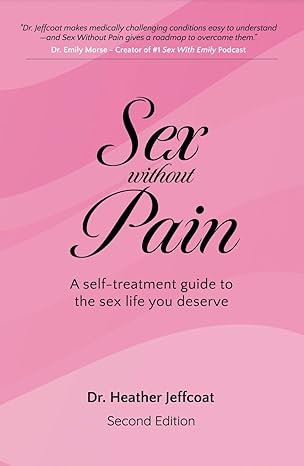
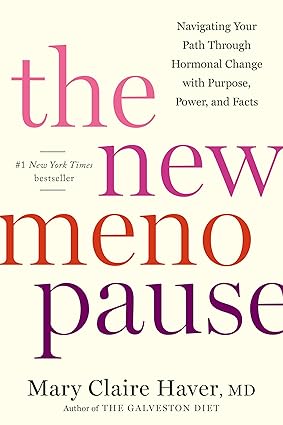
Resource Types Include
Reading & Research
Books, Manuals, Scholarly Articles
Tools
Games, Card Decks, Workbooks, Brochures
Multimedia
Apps, Websites, Podcasts
Audience
Provider, Supervisor, Supervisee, Client
Press Ctrl+F (Windows) or Command+F (Mac) to search this page by keyword for resources.
Jump to:
Educational Handouts & Clinical Resources
|
Professional Resources
|
Gallery
Educational Handouts & Clinical Resources
Physiological Impacts of Endocrine Disruptors
A comprehensive review of how environmental toxins affect hormonal balance and sexual function.
Description
Endocrine shift navigation strategies.
Reading & research: Books, Manuals, Scholarly Articles
Scholarly Article PDF.
Audience: Provider, Supervisor, Supervisee, Client
Provider, Supervisor
Neurobiology of Chronic Pelvic Pain
Evidence-based approaches for treating somatic pain symptoms in clinical practice.
Description
Clinical insights into pelvic health.
Reading & research: Scholarly Articles
Audience: Provider, Supervisor, Supervisee
Print/Downloads


Pelvic Floor Health
A Woman’s Touch Sexuality Resource Center
Description: Informational Brochure
Resource: Tool
Audience: Provider, Supervisor, Supervisee, Client
Research Insights: Physical and Medical Considerations
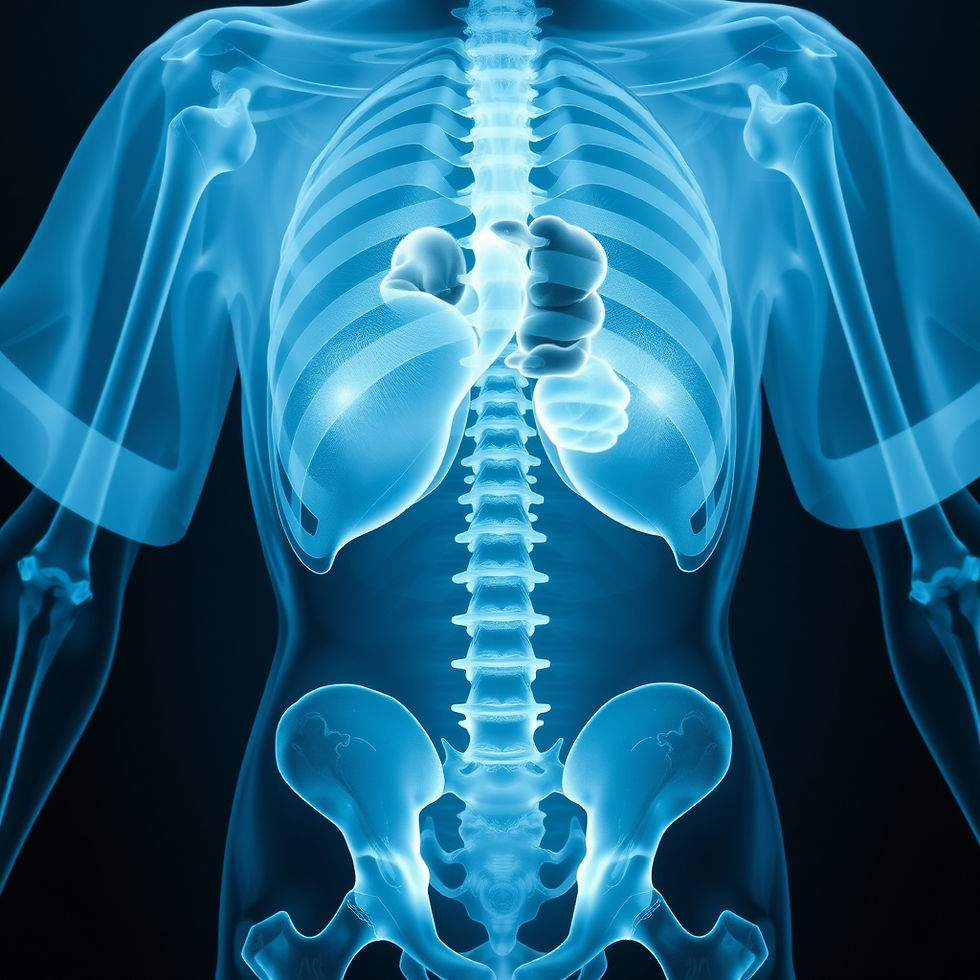
Physical and medical concerns are a highlighted theme in sex therapy due to health being connected with overall wellness. Taking into consideration the biological, psychological, and medical considerations helps when understanding the framework when working with sexual dysfunctions. Medical conditions affect sexuality in many ways including, sexual pain, pelvic pain, chronic pain, hormones with life stage transitions, physical illnesses, disabilities, drugs, alcohol and substance abuse, mental health disorders, acquired immunodeficiency syndrome (AIDS), human immunodeficiency virus (HIV), sexually transmitted diseases (STDs), obesity, pharmacology side effects, desire and arousal, cancer, grief, death, and infertility will be reviewed in the following paragraphs (Sexual Dysfunction: Symptoms, Causes, and Treatment, 2022).
Pain disorders and conditions can create distressing interactions that lead to relationship issues and mental health concerns (Flegge et al., 2023). Changes in hormones throughout life stages associated with sexual maturation, pregnancy, the postnatal period, perimenopause, and menopause can bring many experiences with sexual desire and arousal (Marcinkowska et al., 2023). Likewise, physical medical conditions, for instance cardiovascular conditions and neurological diseases, affect sexual functioning through blood flow and bodily sensations.

Sex therapists will work with patients who have “acquired immunodeficiency syndrome (AIDS), human immunodeficiency virus (HIV), sexually transmitted diseases (STDs), obesity, cancer, and other conditions that may affect mental health, physical health, and physical abilities, resulting in low self-esteem, body image issues, and sexual intimacy,” (Physicians, 2003, pp. 347-352). Practitioners collaborate with other medical professionals in maintaining overall sexual health, including urologists, gynecologists, psychologists, pelvic floor specialists, physical therapists, psychiatrists, and primary care physicians.
When considering drugs, alcohol, abuse, and pharmacological interactions and side effects, it is another major component of sex therapy. Sexual functioning can be affected by drugs and alcohol, primarily risky sexual decisions, relationship interactions, and sexual vitality (Abad & Arcos-Romero, 2022). Prescription medications such as antidepressants and other drugs can cause many side effects that inhibit sexual desire, orgasm, and satisfaction (Staff, 2024). Collaborating together, while understanding interactions, medical health providers and sex therapists will help find a treatment plan to address sexual wellness.
Women’s and men’s health are major components of sexual well-being. Common areas of sexual dysfunction within women include libido, pain, vaginal dryness, hormonal changes throughout the menstrual cycle, pregnancy changes, postnatal symptoms, perimenopause, menopause, postpartum depression (PPD), premenstrual dysphoric disorder (PMDD), polyendocrine metabolic ovarian syndrome (PMOS), causing fluctuations in desire, relational dynamic shifts, and sexual satisfaction (FACOG & MD, 2024). Male sexual health focuses on concerns such as erectile dysfunction, premature ejaculation, delayed ejaculation, low libido, performance anxiety, and testosterone concerns, which can affect mental and physical health (Leslie & Sooriyamoorthy, 2024). Sex therapy helps support patients by navigating changes and how they affect relationships and overall mental well-being.
Professional Resources
A deep-dive clinical repository for clinicians and educators. Scan scholarly works, diagnostic tools, and therapeutic guides.

Sexually Transmitted Infections
Evidence-based protocols for diagnosing, treating, and managing STIs.


Professional Resources
Explore our peer-reviewed professional resource library. A collection of protocols, worksheets, and scholarly materials for clinicial excellence.